
Online learning has changed rapidly over the last few years, and parents are paying closer attention to what actually helps students succeed. Many families now rely on online tutoring strategies not only for better grades but also for confidence, consistency, and personalized academic support.
At the same time, students face new challenges. Short attention spans, screen fatigue, and distractions at home can make virtual learning difficult. Parents often wonder whether online tutoring is truly effective or if their child is simply spending more time in front of a screen.
The good news is that effective online tutoring is no longer just about video calls and homework help. In 2026, successful tutoring combines personalized teaching, interactive learning tools, structured lesson planning, and strong communication between tutors, students, and parents.
Many experienced educators have seen students improve significantly once lessons become more interactive and personalized. Students who previously struggled to participate in school often become more confident during one-on-one online sessions because they feel less pressure and receive more individual attention.
When these elements work together, students stay engaged, improve academically, and develop better learning habits that last beyond the classroom.
Why Online Tutoring Is More Important Than Ever in 2026
Education is becoming more flexible and technology-driven. Schools, parents, and students are now more comfortable with virtual learning than ever before.
Online tutoring allows students to learn from anywhere while receiving personalized support that traditional classrooms sometimes cannot provide. For busy families, it also offers scheduling flexibility that fits around school activities and daily routines.
Many educators have noticed another important shift. Students who are hesitant to ask questions in physical classrooms often feel more comfortable speaking during one-on-one online sessions. This creates a more supportive learning environment and helps tutors identify weak areas faster.
Artificial intelligence is also influencing modern tutoring. Some platforms now use AI tools to track progress, suggest practice exercises, and adapt lessons based on student performance. While technology helps, experienced tutors still play the most important role in keeping students motivated and engaged.
Parents are also becoming more selective about tutoring quality. They want tutors who communicate clearly, provide regular progress updates, and genuinely understand how children learn online. Trusted tutoring platforms now focus heavily on student engagement, lesson structure, and parent communication because these factors directly impact results.
What Makes Online Tutoring Effective?
Not every online tutoring session leads to better results. Effective tutoring depends on how lessons are planned, delivered, and personalized.
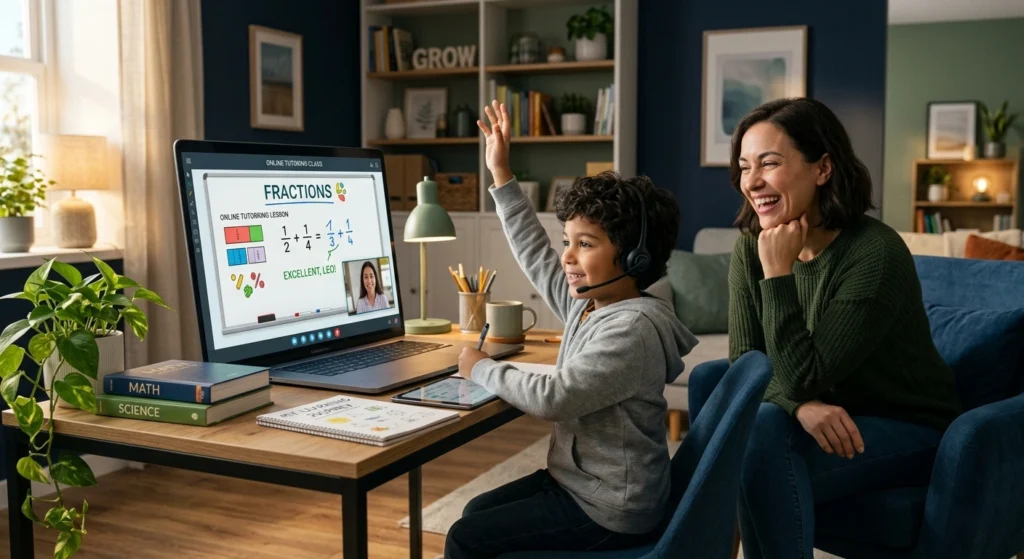
One of the biggest factors is student engagement. Students learn better when they actively participate instead of simply listening. Tutors who ask questions, encourage discussion, and involve students in problem-solving usually see stronger progress.
Personalized teaching also matters. Every student learns differently. Some understand concepts through visuals, while others prefer discussion or hands-on examples. Experienced tutors adapt their methods based on the student’s learning style rather than using the same approach for everyone.
Consistency is equally important. Students who attend regular tutoring sessions with clear academic goals often improve faster than students who study only occasionally.
Teachers with online teaching experience often observe that students perform better when lessons are structured around small, achievable goals. This keeps learners motivated and helps parents see measurable progress over time.
Another key factor is communication with parents. Tutors who provide progress updates help parents understand what their child is improving and where additional support may be needed.
Best Online Tutoring Strategies for Students in 2026
Use Interactive Learning Tools
Interactive learning keeps students focused for longer periods. Digital whiteboards, quizzes, educational games, and visual presentations make lessons more engaging and easier to understand.
For example, math tutors often use virtual whiteboards so students can solve problems step by step instead of only watching explanations. Language tutors may use speaking exercises, flashcards, and collaborative activities to improve participation.
Students usually retain information better when they interact with the lesson instead of passively listening.
Keep Sessions Short and Focused
Long online sessions can reduce concentration, especially for younger students.
Many experienced tutors now break lessons into smaller learning segments. A focused 45-minute session with active participation is often more effective than a long lecture-style class.
Shorter sessions also help reduce screen fatigue and allow students to stay mentally fresh.
Adapt Teaching to Different Learning Styles
A strategy that works for one student may not work for another.
Some students need visual explanations, charts, or demonstrations. Others learn better through discussion and repetition. Effective tutors identify these differences early and adjust lessons accordingly.
Parents often notice significant improvement when tutors tailor lessons to the child’s individual needs rather than following a rigid format.
Encourage Active Participation
Students learn more when they explain ideas in their own words.
Experienced tutors regularly ask students to solve problems, summarize concepts, or teach back what they learned. This approach improves understanding and reveals knowledge gaps quickly.
Students who actively participate also become more confident over time.
Use AI-Powered Learning Support
AI tools are becoming increasingly common in online tutoring.
Some systems analyze student performance and recommend personalized exercises based on weak areas. Others help tutors track attendance, learning speed, and topic mastery.
However, technology should support learning rather than replace human interaction. The best tutoring combines smart tools with experienced educators who understand student emotions, motivation, and communication.
Build Student Confidence Through Positive Reinforcement
Confidence plays a major role in academic success.
Students who constantly fear making mistakes often avoid participating. Supportive tutors create a comfortable learning environment where students feel safe asking questions.
Simple encouragement, recognition of improvement, and realistic goal setting can greatly improve motivation and long-term performance.
Many parents report that confidence improvements appear before grade improvements. Once students feel more comfortable learning, academic progress usually follows naturally.
Benefits of Effective Online Tutoring for Students
One major advantage of online tutoring is personalized attention. In many school classrooms, teachers manage large groups of students, which limits individual support.
Online tutoring allows students to focus on their specific academic challenges. Weak areas can be addressed directly without pressure from classmates.
Students also benefit from flexible learning environments. They can study from home, avoid travel time, and access tutoring sessions more conveniently.
Many tutors have also observed that online learning helps students develop independence. Students learn how to manage schedules, complete assignments responsibly, and communicate more confidently.
Perhaps most importantly, students often gain confidence when they begin understanding subjects that once felt difficult. Improved confidence frequently leads to stronger classroom participation and better overall academic performance.
Benefits of Online Tutoring for Parents
Parents are not only looking for better grades. They also want reassurance that their child is learning in a safe, supportive, and structured environment.
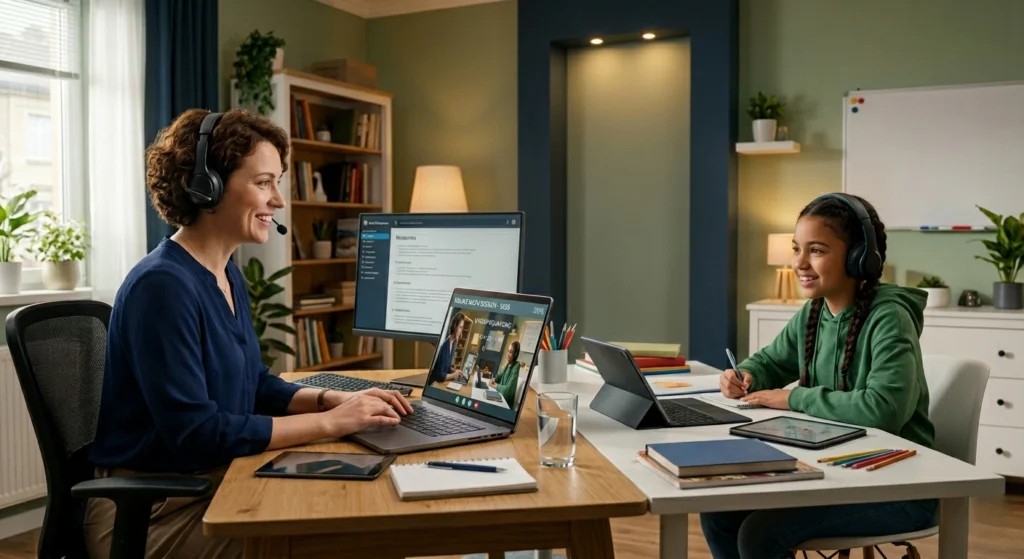
Online tutoring gives parents more visibility into the learning process. Progress reports, recorded sessions, and direct communication with tutors make it easier to monitor improvement.
Flexible scheduling is another major advantage. Families can arrange sessions around school hours, extracurricular activities, and household routines.
Online tutoring may also reduce stress at home. When students receive additional academic support, parents often spend less time struggling with homework conflicts and frustration.
For many families, the convenience and personalized support make online tutoring a practical long-term solution. Parents also appreciate having access to qualified tutors outside their local area, allowing them to choose educators based on teaching quality instead of location alone.
Common Parent Concerns About Online Tutoring
Does Online Tutoring Really Improve Grades?
In many cases, yes. Students who receive consistent, personalized support usually improve their understanding, confidence, and performance.
However, results depend on several factors, including tutor quality, student participation, and lesson consistency.
Tutoring works best when students remain actively involved and parents support healthy study habits at home.
Experienced educators often see improvement not only in grades but also in student confidence, organization, and willingness to participate during lessons.
How Much Screen Time Is Too Much?
This is one of the most common concerns among parents.
Experienced tutors now focus on more interactive lessons instead of passive screen exposure. Breaks, discussions, activities, and shorter sessions help reduce mental fatigue.
Parents can also create healthy routines by balancing online learning with physical activity and offline study time.
Can Tutors Keep Students Focused Online?
Yes, but engagement strategies matter.
Students lose focus quickly during repetitive or lecture-heavy sessions. Skilled tutors use interactive activities, direct questioning, and varied teaching methods to maintain attention.
Younger students especially benefit from visually engaging lessons and shorter learning blocks.
Many parents become more confident in online tutoring once they observe how interactive modern sessions have become compared to traditional online lectures.
Is Online Learning Safe for Children?
Parents understandably care about online safety.
Trusted tutoring platforms use secure video systems, privacy protections, and monitored communication tools. Parents should also look for services that encourage transparency and regular progress updates.
Open communication between tutors and parents builds trust and creates a safer learning environment.
Parents may feel more comfortable choosing tutoring services that allow lesson monitoring, provide tutor background information, and maintain clear safety guidelines.
Common Mistakes That Reduce Online Tutoring Effectiveness
One common mistake is choosing tutors based only on low pricing. While affordability matters, teaching quality and communication skills are far more important for long-term results.
Another issue is inconsistent scheduling. Students who skip sessions frequently often struggle to maintain progress.
Some tutoring sessions also become too passive. If students spend the entire lesson silently listening, retention and engagement decrease significantly.
Ignoring learning styles can also create frustration. Students may appear uninterested when the teaching approach simply does not match how they learn best.
Finally, lack of measurable goals can make tutoring feel directionless. Students benefit most when tutors track improvement clearly and celebrate progress regularly.
How Parents Can Make Online Tutoring More Successful
Parents play an important role in the success of online learning.
Creating a quiet, distraction-free study space can improve concentration immediately. Even small environmental changes often help students focus better.
Parents should also encourage realistic expectations. Academic growth takes time, especially when students are rebuilding confidence in difficult subjects.
Regular communication with tutors is equally valuable. When parents and tutors work together, they can identify challenges early and adjust learning strategies effectively.
At the same time, students need independence. Support is helpful, but excessive pressure may reduce motivation and increase anxiety.
Parents who stay positively involved without creating stress often see stronger long-term learning outcomes.
How to Choose the Right Online Tutoring Platform
Finding the right tutor involves more than checking advertisements or pricing.
Parents should look for qualified educators who communicate clearly and understand different learning styles. Experience teaching online is also important because virtual instruction requires different skills than traditional classroom teaching.
Student reviews and success stories can provide useful insights. Trial sessions are especially helpful because they allow families to evaluate teaching style, communication, and student comfort before committing long term.
Parents should also ask about lesson structure, progress tracking, and personalized learning plans. These factors often determine whether tutoring becomes truly effective.
Reliable tutoring services usually prioritize transparent communication, qualified instructors, and ongoing academic support instead of simply offering quick solutions.
The Future of Online Tutoring in 2026 and Beyond
Online tutoring continues to evolve quickly.
AI-powered systems are improving personalization by identifying weak academic areas faster. Hybrid learning models that combine virtual and offline education are also becoming more common.
Another growing trend is data-driven progress tracking. Tutors can now monitor participation, performance patterns, and learning behavior more accurately than before.
Despite technological improvements, one thing remains clear: students still benefit most from human connection, encouragement, and personalized support from experienced educators.
Technology enhances tutoring, but strong teaching relationships continue to drive real learning success.
Why Personalized Online Tutoring Delivers Better Results
Personalized tutoring focuses directly on the student’s needs instead of following a one-size-fits-all approach.
Students receive targeted support in weak subjects while progressing at a comfortable pace. This often reduces frustration and increases confidence.
Parents also appreciate the flexibility of one-on-one learning. Sessions can be scheduled around family routines, school commitments, and extracurricular activities.
Most importantly, personalized tutoring helps students feel supported instead of judged. That emotional comfort often improves participation, motivation, and academic consistency.
Families who are unsure about online tutoring can start with trial sessions or academic assessments to better understand what type of support their child needs. Starting with a small commitment often helps parents evaluate teaching quality and student compatibility with less pressure.
FAQs About Effective Online Tutoring
What is the most effective online tutoring strategy?
The most effective strategy combines personalized instruction, active student participation, and consistent progress tracking. Interactive lessons usually produce better results than lecture-style teaching.
How often should students attend online tutoring sessions?
This depends on academic goals and subject difficulty. Many students benefit from two to three focused sessions per week combined with independent practice.
Is online tutoring suitable for younger children?
Yes, especially when lessons are interactive and age-appropriate. Younger students usually respond well to visual learning tools, games, and shorter sessions.
How can parents measure tutoring success?
Parents can monitor improvements in grades, confidence, participation, homework completion, and overall understanding of subjects.
What subjects work best with online tutoring?
Online tutoring works well for math, science, languages, test preparation, reading support, and many other academic subjects.
Conclusion
The demand for effective online learning continues to grow, and families are becoming more selective about the support their children receive. The best online tutoring strategies in 2026 focus on personalized instruction, student engagement, clear communication, and practical learning methods that build confidence over time.
Parents want more than temporary academic improvement. They want safe, flexible, and trustworthy learning support that helps children develop strong habits and long-term success.
When online tutoring is structured properly, students not only improve grades but also become more motivated, independent, and confident learners. Choosing the right tutor, staying involved in the learning process, and focusing on consistent progress can make a significant difference in a child’s educational journey.
For parents exploring online tutoring for the first time, starting with a trusted platform, a qualified tutor, and a simple trial session can provide valuable reassurance. Small steps often lead to meaningful academic improvement when students receive the right support consistently.