
Physics is one of the most challenging subjects students encounter during their academic journey. From understanding motion and forces to solving complex equations, success in physics requires more than memorizing facts. Students need clear explanations, consistent practice, and the confidence to ask questions when concepts become difficult.
As education continues to evolve, many families are comparing online physics classes with traditional classroom learning. Parents want to know which option provides better academic support, stronger learning outcomes, and the best value for their child’s future.
The answer is not always straightforward. Both learning methods have strengths, and the right choice depends on a student’s learning style, goals, and individual needs. Understanding the differences can help parents make an informed decision that supports long-term success.
What Are Online Physics Classes?
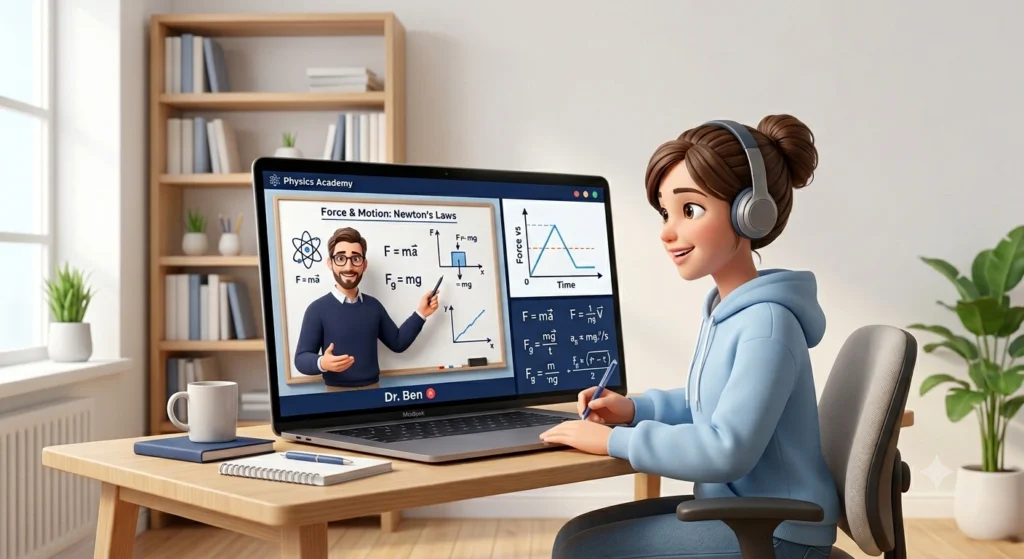
Online physics classes are structured lessons delivered through digital learning platforms. Students attend sessions from home using a computer, tablet, or similar device while interacting with teachers or tutors in real time.
Unlike traditional classrooms, online learning often incorporates digital whiteboards, interactive simulations, recorded lessons, screen sharing, and personalized learning tools. Many students also work with an online physics tutor who provides one-on-one support tailored to their specific challenges.
Types of Physics Lessons Online
Students can choose from several online learning formats, including:
- Private one-on-one tutoring
- Small-group virtual classes
- Exam preparation courses
- Homework support sessions
- Long-term academic coaching
This flexibility allows families to select a learning approach that aligns with their academic goals and schedules.
Online Physics Classes vs Traditional Classroom Learning
Both learning formats aim to help students understand physics, but the learning experience can be very different.
Learning Environment
Traditional classrooms provide a structured environment where students learn alongside their peers. Teachers deliver lessons to groups, and students benefit from face-to-face interaction.
Online learning offers a more flexible setting. Students can participate from home, eliminating travel time and allowing them to learn in a comfortable environment. Many learners find they can focus more effectively when distractions are reduced.
Student-to-Teacher Attention
One of the biggest differences between the two approaches is the level of individual attention.
In a classroom setting, teachers often work with many students simultaneously. While they strive to support everyone, limited time can make personalized instruction difficult.
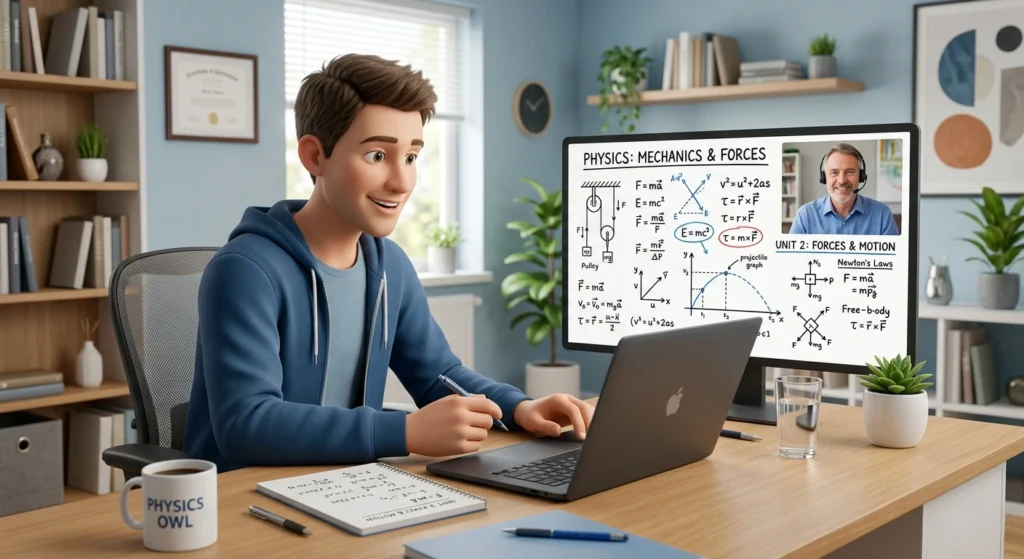
With physics tutoring online, tutors can focus directly on a student’s specific needs. From a teacher’s perspective, this individualized attention often helps students identify weaknesses more quickly and build a stronger understanding of complex concepts.
Flexibility and Scheduling
Traditional schools operate on fixed schedules that may not always suit every family.
Online classes provide greater flexibility. Students can arrange lessons around school commitments, extracurricular activities, and family schedules. This convenience makes it easier to maintain consistent learning throughout the year.
Technology and Learning Resources
Modern online learning platforms include a variety of educational tools.
Interactive simulations, digital practice exercises, recorded lessons, and virtual demonstrations help bring physics concepts to life. These resources often make abstract topics easier to understand and remember.
Cost Considerations
Traditional classroom learning can involve transportation costs, printed materials, and significant travel time.
Online learning often reduces these expenses while providing access to highly qualified tutors regardless of location. For many families, this combination of convenience and quality represents excellent value.
Benefits of Online Physics Classes
The growing popularity of online education is driven by several important advantages.
Personalized Learning Experience
Every student learns differently.
Experienced educators understand that some students struggle with calculations, while others find theoretical concepts challenging. Personalized lessons allow tutors to adjust their teaching methods and pace based on individual learning needs.
This targeted support helps students overcome difficulties before they develop into larger academic problems.
Access to Qualified Online Physics Tutors
Location is no longer a limitation.
Students can connect with experienced tutors who specialize in physics, regardless of where they live. This broader access allows families to choose educators based on expertise rather than proximity.
Flexible Learning Schedule
Busy schedules are a reality for many families.
Online lessons make it easier to balance academics with sports, extracurricular activities, and personal commitments. Students can learn when they are most focused and productive.
Interactive Learning Tools
Physics often becomes easier when students can visualize concepts.
Digital simulations, animations, and interactive problem-solving exercises help students see how theories apply in real-world situations. These tools can significantly improve understanding and retention.
Recorded Lessons for Revision
Many online learning programs record lessons for future review.
This feature allows students to revisit challenging topics whenever needed, making exam preparation more efficient and reducing stress.
Personalized Support That Improves Learning Outcomes
One of the strongest advantages of online learning is the ability to tailor instruction to individual students.
Teachers frequently observe that students progress faster when lessons address their specific learning gaps. Instead of moving at the pace of an entire class, students receive focused guidance on the topics they find most difficult.
As understanding improves, confidence often grows as well. Many students become more willing to participate, ask questions, and tackle challenging problems independently.
Better Visibility Into Student Progress
Parents often want reassurance that learning is actually taking place.
Many online programs provide regular assessments, lesson summaries, and progress reports. These tools help families understand how a student is performing and where additional support may be needed.
This transparency creates a stronger partnership between parents, students, and educators.
Learning Outcomes Beyond Better Grades
Quality physics instruction develops more than academic knowledge.
Students strengthen their critical thinking, analytical reasoning, and problem-solving skills. These abilities can support future success in science, engineering, mathematics, and technology-related fields.
Benefits of Traditional Classroom Learning
Although online education offers many advantages, traditional classrooms continue to provide valuable benefits.
Face-to-Face Interaction
Some students thrive in social learning environments.
Classroom discussions, group activities, and direct interaction with teachers can enhance engagement and motivation for certain learners.
Structured Learning Environment
A fixed routine helps many students stay organized.
Daily schedules and classroom expectations create consistency, which can be beneficial for students who prefer structured learning environments.
Peer Collaboration
Working alongside classmates encourages teamwork and communication.
Group projects and classroom discussions allow students to learn from one another and develop important interpersonal skills.
Which Students Benefit Most from Online Physics Lessons?
Online learning is particularly beneficial for:
- Students who need individual attention
- Students preparing for major exams
- Students with demanding schedules
- Students who prefer independent learning
- Students who need additional academic support
Many learners who hesitate to ask questions in large classrooms become more engaged during personalized online sessions.
Parent Concerns About Online Physics Classes
Before enrolling their child, many parents have understandable concerns.
Are Online Physics Classes Really Effective?
This is one of the most common questions families ask.
In practice, effectiveness depends more on teaching quality, lesson structure, and student engagement than on where learning takes place.
Many students achieve excellent results because online tutors can adapt lessons to their learning pace, provide immediate feedback, and focus on specific academic challenges.
Is Online Learning Safe?
Safety remains a top priority for parents.
Professional tutoring providers use secure learning platforms, scheduled sessions, and transparent communication systems. Parents often receive progress updates and can maintain regular communication with tutors.
These measures help create a safe and supportive learning environment.
Does Online Tutoring Offer Good Value?
Families want to know their investment will produce meaningful results.
Online learning often combines personalized instruction, flexible scheduling, and access to expert educators. For many students, these advantages contribute to stronger academic outcomes and greater confidence.
Signs Your Child May Need Physics Tutoring Online
Parents may wish to consider additional support if their child:
- Struggles to understand key concepts
- Experiences declining grades
- Avoids physics assignments
- Lacks confidence in problem-solving
- Feels anxious about exams
Seeking help early often prevents small challenges from becoming larger academic obstacles.
Common Mistakes Parents Make When Choosing Physics Support
Choosing Based Only on Price
Affordability is important, but quality instruction should remain the priority.
The least expensive option may not always provide the support a student needs to succeed.
Ignoring Tutor Qualifications
Subject expertise and teaching experience both matter.
A qualified tutor understands common learning difficulties and knows how to explain concepts effectively.
Waiting Too Long
Many families delay seeking support until grades have already declined.
Early intervention often leads to better outcomes and reduced academic stress.
Ignoring Learning Style
Every student learns differently.
Choosing a learning format that matches a student’s preferences and strengths can significantly improve engagement and results.
How to Choose the Right Online Physics Tutor
When evaluating potential tutors, consider:
- Qualifications and teaching experience
- Subject expertise
- Communication skills
- Personalized lesson planning
- Progress tracking methods
- Availability of trial lessons
Look for Teaching Experience, Not Just Qualifications
Strong tutors do more than understand physics.
They understand how students learn. Experienced educators recognize common misconceptions and can explain difficult topics using multiple approaches until students achieve clarity.
A trial lesson is often the best way to evaluate teaching quality and compatibility.
What Successful Physics Students Often Have in Common
Teachers frequently notice similar habits among students who make significant improvements.
They ask questions when they are unsure. They practice consistently. Most importantly, they receive regular guidance and constructive feedback.
Many parents report improvements not only in grades but also in confidence, study habits, and independent learning skills after introducing structured academic support.
While every student’s journey is different, quality instruction and consistent effort remain key drivers of success.
Frequently Asked Questions
Are online physics classes as effective as traditional classrooms?
Yes, they can be. The effectiveness of any learning format depends on teaching quality, student engagement, and access to personalized support.
What equipment is needed for online physics lessons?
Most students only need a reliable internet connection, a computer or tablet, and a quiet learning space.
Can an online physics tutor help with exam preparation?
Absolutely. Many tutors specialize in preparing students for GCSE, A-Level, AP Physics, IB, and school examinations.
How often should students attend tutoring sessions?
The ideal schedule depends on academic goals, but many students benefit from one or two sessions per week.
How can parents monitor their child’s progress?
Progress can be monitored through assessments, lesson summaries, regular feedback, and communication with tutors.
Is It Time to Consider Additional Physics Support?
If your child struggles with difficult concepts, lacks confidence, or feels overwhelmed before important exams, additional support may be worth exploring.
A qualified online physics tutor can identify learning gaps, create a personalized study plan, and provide focused instruction where it is needed most.
Many families begin with a trial lesson to determine whether the learning approach is a good fit. Early support often leads to stronger outcomes and greater confidence.
Conclusion
Choosing between traditional classroom learning and online physics classes is about more than convenience. It is about finding the learning environment that helps your child build understanding, confidence, and long-term academic success.
For many students, online learning provides the flexibility, personalized attention, and expert guidance needed to overcome challenges and improve performance. Parents benefit from greater visibility into progress, regular communication, and reassurance that their child is receiving focused support.
By selecting a qualified tutor and maintaining consistent learning habits, families can create an educational experience that supports both immediate academic improvement and future success. If your child needs extra guidance, exploring physics tutoring online may be a valuable step toward stronger results and greater confidence.